
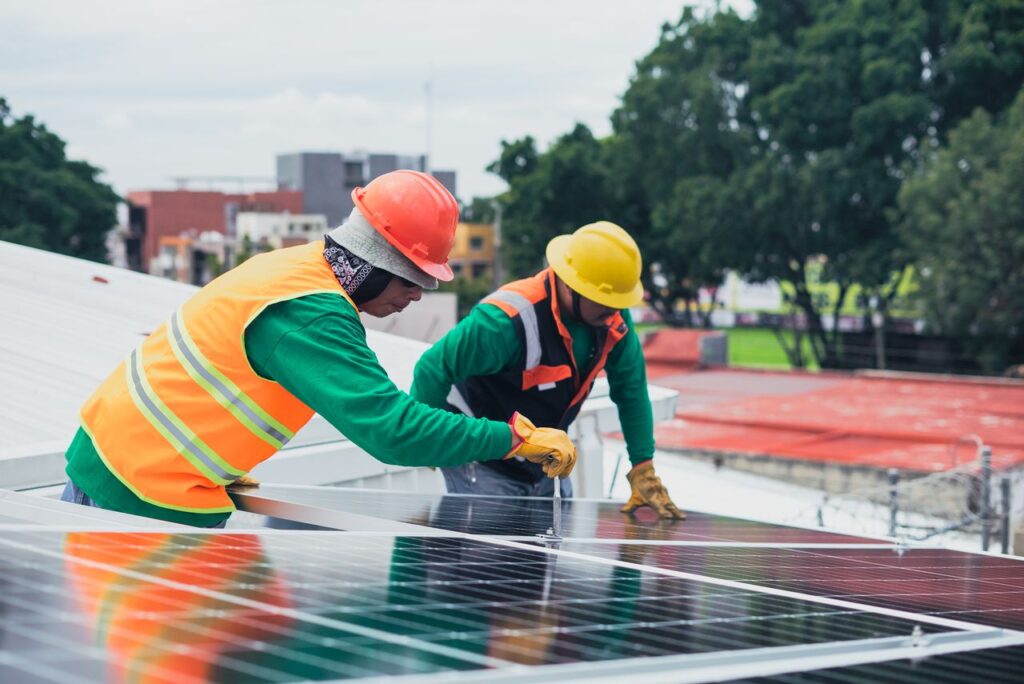
More Filipino families are seeing solar power as not just eco-friendly but also a smart way to cut electricity bills. With lots of sunshine year-round and solar gear getting easier to come by, many homeowners and small businesses are curious about installing rooftop solar panels. The biggest question, however, is simple: How much do you actually need to invest in solar power in the Philippines?
How much solar power does a home need?
Choosing the right solar setup is more about how much electricity you use than the size of your house.
To find the right solar capacity, you can start by looking at your monthly electricity use. But, you also need to consider other factors like your daytime energy use, roof size and orientation, shading, and how much sun your home receives.
Solar output can change based on weather, panel efficiency, and installation angle. That’s why it’s important for homeowners to get a site check and look at their electricity bills with a professional before choosing a system. The Department of Energy (DOE) offers guidelines to help understand rooftop solar’s costs and benefits. For example, DOE illustrates a 6-kW system to show possible yearly energy output and savings. They note this is just an example to help grasp how to assess solar investments.
What affects solar installation cost?
Solar installation costs in the Philippines vary based on several key factors-not just the number of panels. The system size is crucial. Bigger systems need more panels and possibly a bigger inverter and extra mounting structures. The type and quality of the gear also matter. Solar panels, inverters, and other parts come in various price ranges. Homeowners should look at the initial cost but also consider warranties, efficiency, and how long the products will last. Installation needs can affect the total cost too. Roof condition, electrical work, wiring, structural needs, and how complex the setup is can add to expenses. Another factor is if you want battery storage. Batteries let you store extra solar energy for nights or power outages but can increase upfront costs significantly.
Thinking about net metering?
One great thing about having a solar system connected to the grid is net metering.
In the Philippines, if you’re eligible, you can set up renewable-energy equipment up to 100 kW and send extra power back to the grid. You’ll get credits that help lower your electricity bill. This is handy since solar panels produce a lot of power during the day. If your home isn’t using all that energy, you can send the extra to the grid through net metering.
In 2025, the Energy Regulatory Commission (ERC) updated the rules on net metering. Now, there are new rules about how credits are saved and used later.
Need solar batteries?
Not always. A regular solar system that’s connected to the grid works fine without batteries. You can send extra energy to the grid via net metering.
But if you want backup power during outages, a hybrid system with batteries might be worth considering. Batteries can store extra solar energy for use at night or during power cuts. For those looking to cut their monthly bills, a grid-tied system is often a good start. If you’re more focused on having backup power, investing in batteries could be valuable.
Is solar power worth the investment?
Solar can be smart financially for homes with steady high electricity use. But there’s no one-size-fits-all payback time for everyone in the Philippines.
Your return on investment will depend on installation costs, how much electricity you use, rates, solar output, system maintenance, and how much power you consume directly.
That’s why it’s important not to see advertised payback times as promises. A system that works well for one household might offer different savings to another. Before buying, ask for at least three detailed quotes and check what’s included: panels, inverter, warranties, installation, permits, and net-metering help.
Estimated solar investment in the Philippines
For budget planning in 2026, a professional home solar system might cost between ₱150,000 to ₱750,000. Prices vary with system size, equipment, and other factors. The exact cost will depend on your home’s energy needs, roof, equipment, and whether you include batteries.
Estimated investment range:
| Solar System | Estimated Investment |
| 3 kW | ₱150,000–₱250,000 |
| 5 kW | ₱250,000–₱400,000 |
| 8 kW | ₱440,000–₱600,000 |
| 10 kW | ₱550,000–₱750,000 |
If you’re considering solar, start by checking your electricity bills to see how much energy you want to cover. Then, get professional quotes based on a real site check.
With the country’s abundant sunlight, changing net-metering rules, and more solar technology options, solar power is becoming a practical choice for homeowners. It’s not only a greener energy option but also a possible long-term investment for your home.
Sources
- Tech Pilipinas – Solar Panel Cost in the Philippines
- Department of Energy – Net-Metering Guidebook
- The Filipino Engineer –Technical Note – Rooftop Solar PV Systems in the Philippines
- SurgePV – Energy Regulatory Commission 2025 Net-Metering Rules