

During a recent trip to Bantayan Island, James started noticing something he couldn’t quite ignore. AI seemed to be everywhere: a poster outside a café, a menu on a restaurant table, a resort announcement, a social media ad playing on someone’s phone. Even on an island where people go to slow down, technology seemed to have arrived ahead of them.
Some images looked almost too perfect. Some words sounded strangely polished. Others were convincing enough to make him look twice. And perhaps that’s the most interesting thing about AI today. It no longer feels like the future. It is already here.
“Before, you could easily tell when something was made by AI because it looked unusual,” says Cyrille James Acol, a Gen Z marketing executive whose career has taken him from communication to marketing leadership. “Now, sometimes you have to look twice. It has become part of everyday life.”
Marketing is one of the industries feeling that shift most clearly. A business owner can ask AI to write a caption. A designer can generate an image in seconds. A marketer can brainstorm a campaign with a few prompts. Videos can be edited faster, presentations can be built faster, and ideas that once took hours can now take minutes. James sees the possibilities. He uses AI and believes marketers should learn to use it well.
But he also believes there is something technology should never make marketers forget: people.
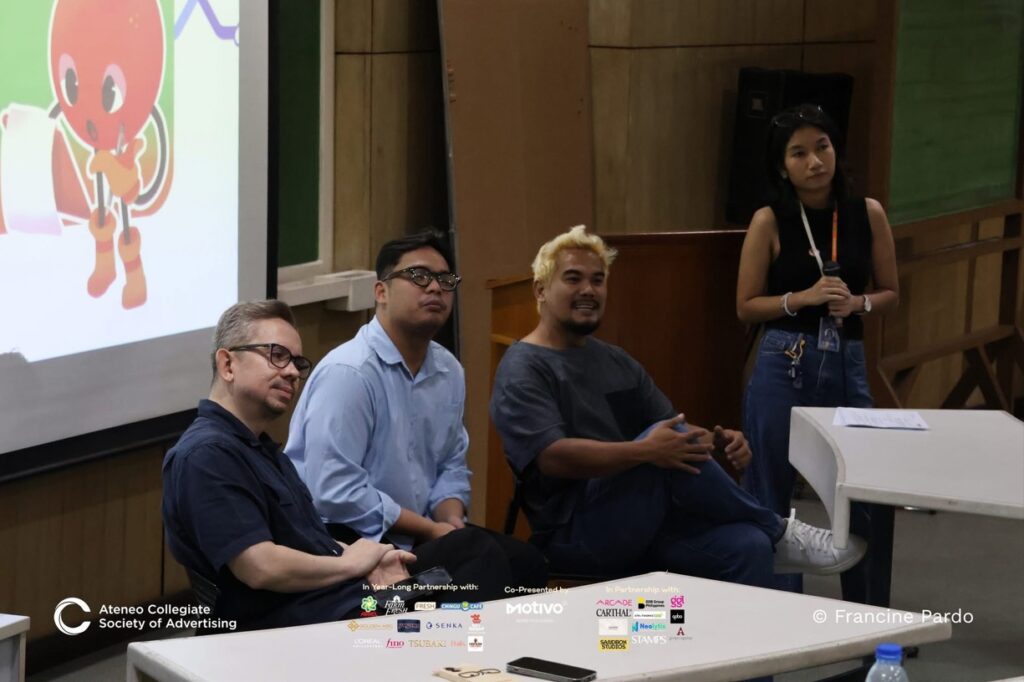
“AI can help you create something,” James says. “But marketing has always been about people talking to people. Understanding what makes someone stop, feel something and remember. That’s something we shouldn’t lose.”
That belief is at the heart of what James calls “Experience First.” For him, marketing has never been simply about making an advertisement or convincing someone to buy. It is about creating something people can connect with and remember.
The philosophy has been shaped by years in the industry. James started as a marketing associate in an advertising agency and went on to work across FMCG, retail, energy, transportation, finance, and music. His projects have grown from local campaigns to nationwide, regional and APAC-wide initiatives. He eventually moved into marketing leadership, including heading marketing for one of the country’s recognized music organizations. His journey was also recognized by his alma mater, Colegio de San Juan de Letran, where he received a Distinguished Alumni Award.
Yet beneath the titles, campaigns and milestones, James says the biggest lesson has remained simple: people remember how something made them feel.

“You can forget an advertisement. You can forget a tagline. You can even forget what the brand was selling. But if something made you feel something, that’s much harder to forget.”
That belief becomes even more relevant as AI makes creating content easier than ever. When everyone can generate a beautiful image, write a polished caption or produce a video with a few instructions, the question is no longer simply, “Can we make it?” It becomes: “Will anyone remember it?”
For James, the answer starts with understanding people. Why does one restaurant become the place you always recommend to friends while another, despite having beautiful interiors and Instagram-worthy food, becomes forgettable? Why does one advertisement make you stop scrolling while another disappears from your mind almost instantly? Why do people become loyal to certain brands even when cheaper alternatives exist?
The answers are not always found in technology. They are found in emotion, culture, timing, behavior and the experiences brands create. That is why James does not see AI and people as opposing forces. He sees them as partners, but with different roles.
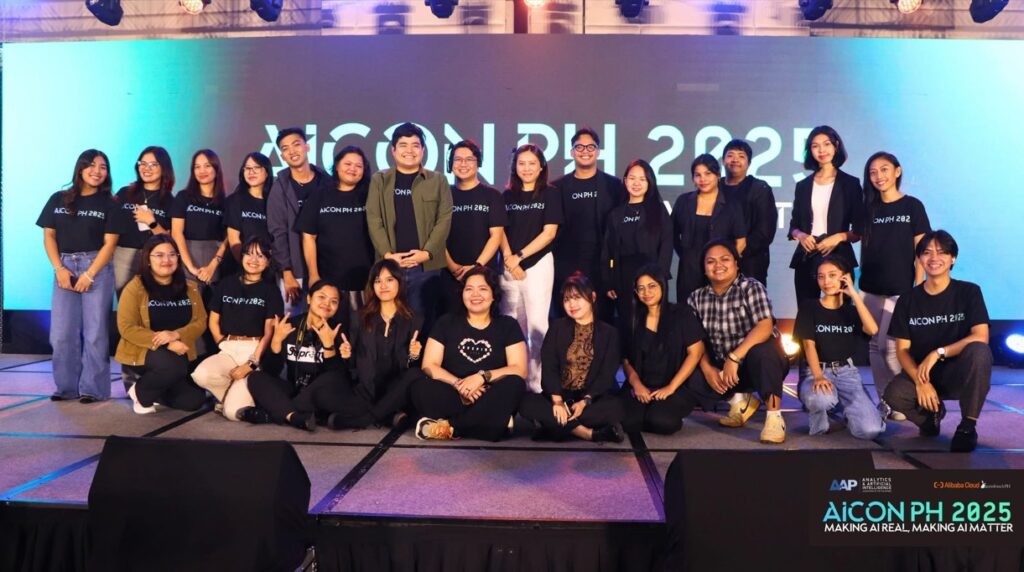
“AI should help us do more,” he says. “But people should still decide what is worth doing.”
There is something particularly interesting about that belief coming from a Gen Z marketer. This is a generation that grew up with smartphones, social media and algorithms, and is now entering a workplace increasingly shaped by artificial intelligence. Yet James believes that as technology becomes more powerful, genuine human connection may become even more valuable.
When everyone can create the perfect image, being real becomes interesting again. When everyone can write the perfect caption, having something meaningful to say matters more. And when everyone can produce content, making someone actually feel something becomes the advantage.
James is not predicting the end of AI in marketing. Quite the opposite. He believes it will become an even bigger part of the industry. But he doesn’t think the future belongs simply to those who can use AI the fastest. It may belong to those who know when to use technology and when to trust something much older: human instinct.
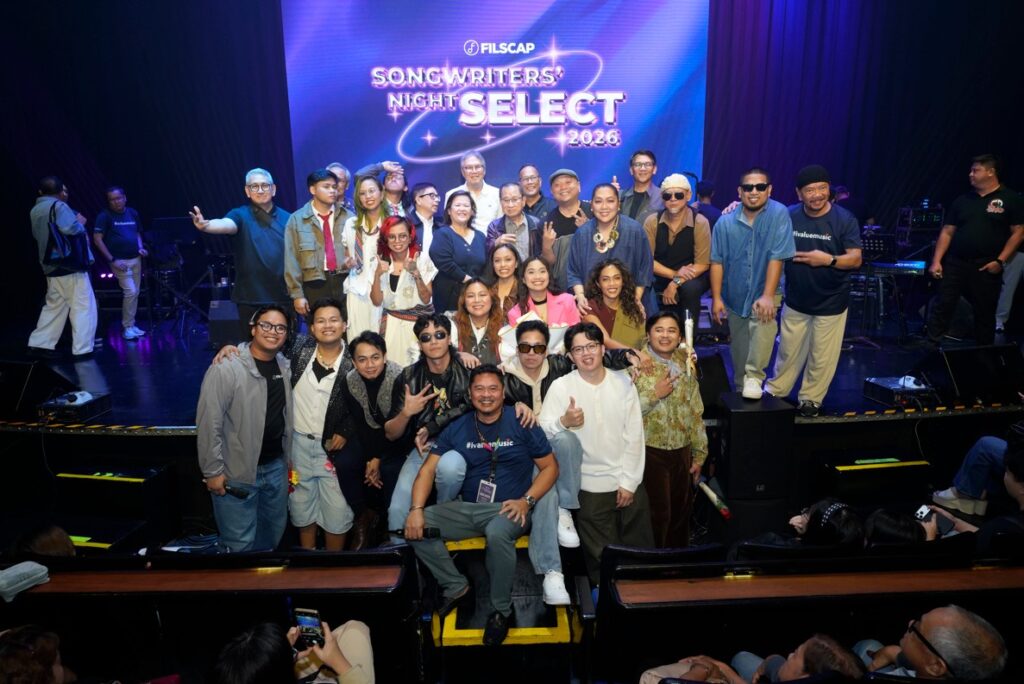
“I don’t think the future is about choosing between AI and people,” James says. “The future is probably going to need both. AI can make us faster. But people give marketing meaning.”
Perhaps that is the paradox of the AI age: the more artificial the world becomes, the more valuable something real may feel.
And for James, that is exactly where marketing should begin. Because AI can help a brand get noticed. But only people can make another person care.