
The event brings together government, industry, and legal stakeholders to discuss proposed SAFE Kids and SMART KIDS Acts
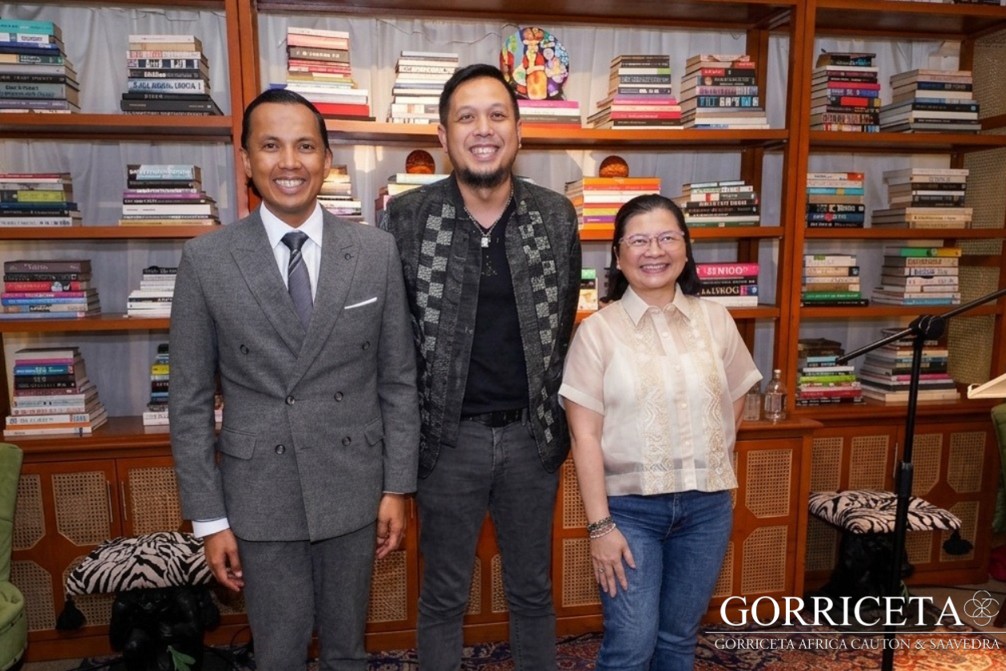
TAGUIG CITY, Philippines — Gorriceta Africa Cauton & Saavedra, in collaboration with GoDigital Philippines, spearheaded a policy dialogue, bringing together government representatives, industry leaders, legal professionals, and other stakeholders to examine the proposed SAFE Kids and SMART KIDS Acts, as well as their implications for children’s online safety, platform accountability, and digital rights in the Philippines.
The multistakeholder event titled, “Safe Kids, Smart Policies: A Dialogue on Children’s Online Safety and Digital Rights” explored House Bill No. 11566, or the proposed SAFE Kids Act, and Senate Bill No. 2424, or the proposed SMART KIDS Act. The discussion examined how the proposed measures could strengthen child protection while raising important considerations around broad age-based restrictions, age and identity verification requirements, privacy, freedom of expression, and access to information.
Balancing Child Protection and Digital Rights

Opening the discussion, Atty. Mark S. Gorriceta, Chairman and Managing Partner of Gorriceta Africa Cauton & Saavedra and Chairman of GoDigital Philippines, emphasized the importance of developing online safety policies that address risks to children while remaining proportionate, practical to implement, and respectful of fundamental rights.
“Protecting children online is a responsibility we all share. But effective legislation requires careful consideration of how safeguards will work in practice, who will be responsible for implementing them, and how we can protect children without unnecessarily restricting freedom of expression, privacy, and access to information. The goal should be policies that are clear, proportionate, enforceable, and workable,” Gorriceta said.
The discussion highlighted the need to examine not only the intended protections of the proposed legislation but also how its provisions could affect access to digital services and the rights of users. Participants considered how broad restrictions on minors’ access to online platforms could affect legitimate digital participation, underscoring the importance of approaches that account for the different risks associated with various services and how children use them.
Examining Regulatory Safeguards and Fundamental Rights
In his keynote address, Undersecretary Renato “Aboy” Paraiso, Executive Director of the Cybercrime Investigation and Coordinating Center (CICC) discussed the real and evolving threats children face online, including cyberbullying, online sexual abuse and exploitation, and online grooming. He emphasized that while stronger safeguards are needed, the policy discussion should also consider children’s access to information and legitimate participation in digital spaces.
“The question is not simply whether children should be allowed or prohibited from accessing social media. We must also consider how restrictions can be designed to provide real and measurable protection while recognizing children’s ever-changing capacities, their access to information, and their legitimate participation in digital spaces.”
Paraiso also highlighted the role of technology companies in strengthening online safety, noting that platform accountability and stronger safeguards are essential in addressing risks to children.
Ms. Kankan Ramos, Chief Operating Officer of InvictusPH, a marketing and communications agency, gave an industry and parent perspective on the role digital platforms play in children’s learning, creativity, self-expression, and social connection. Drawing from her experience as a mother and marketing professional, she emphasized the need to protect children without unnecessarily limiting the benefits they gain from digital spaces.
“When I look at my daughter, I do not see a child whose world has been made smaller by technology. I see someone whose world, in many ways, has grown bigger because of technology. But I’m also her mother. I worry about what she encounters, who can reach her, and how online experiences might shape her confidence, choices, and well-being… Child protection is not optional…But neither is the children’s right to learn, express themselves, and access information,” she shared.
Ramos also called for greater attention to transparency, data protection, and responsible digital marketing practices, particularly as children increasingly encounter commercial content through creator videos, entertainment feeds, and personalized recommendations. “The policy question is not simply how many children can we keep off a platform. It is also what do we preserve for children while we reduce the risks.”
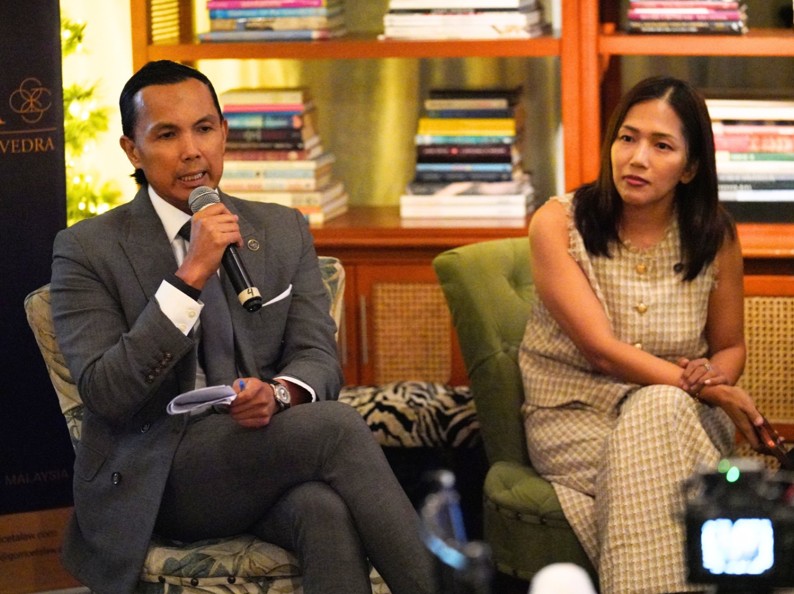

The panel discussion explores the implications of the proposed SAFE Kids Act and SMART KIDS Act, including age-based access restrictions, age and identity verification, privacy safeguards, and platform responsibilities. Speakers highlighted the importance of proportionate, practical measures that address online risks while respecting fundamental rights. Left Photo: Atty. Mark S. Gorriceta, Chairman and Managing Partner, Gorriceta Africa Cauton & Saavedra, and Chairman of GoDigital Philippines; with Atty. Micaela Kristina V. Galvez, Partner, Gorriceta Africa Cauton & Saavedra. Right Photo: Atty. Micaela Kristina V. Galvez, Partner, and Atty. Luis Teodoro B. Pascua, Managing Associate, Gorriceta Africa Cauton & Saavedra.
The measures raise practical considerations around how age can be established reliably without unnecessary collection or exposure of personal information. The discussion highlighted the importance of privacy-conscious age-assurance mechanisms and safeguards that avoid creating additional barriers to legitimate digital services.
During the open forum, Atty. Mark S. Gorriceta, Atty. Micaela Kristina V. Galvez, Partner, and Atty. Luis Teodoro B. Pascua, Managing Associate, addressed questions and clarified concerns about the proposed legislation and its implications for children’s online safety and digital rights.
The dialogue underscored that protecting children online requires more than restricting access. It calls for thoughtful, evidence-based policies that address digital risks while upholding privacy, fundamental freedoms, and meaningful participation in the digital world. Through the initiative, Gorriceta and GoDigital Philippines reaffirmed their commitment to advancing informed discussions on policies that are effective, proportionate, and responsive to the realities of an increasingly connected society.
About Gorriceta Africa Cauton & Saavedra
Gorriceta Africa Cauton & Saavedra is a top-tier, full-service law firm recognized internationally across a wide range of practice areas. Beyond legal expertise, the Firm serves as a strategic industry advisor, bridging law, business, and sector intelligence to help clients navigate complex and evolving landscapes.
The Firm is distinguished for delivering industry-leading, business-oriented, and innovative legal solutions, providing practical and forward-thinking counsel tailored to the unique needs of each industry it serves. This client-centric approach, combined with deep sector insight, enables Gorriceta to go beyond traditional legal advisory and support meaningful business outcomes.
Widely regarded as one of the fastest-growing law firms in the Philippines, the Firm now has over 60 legal professionals and a total complement of more than 120 personnel. It continues to expand its capabilities and strengthen its presence nationwide and globally, reinforcing its position as a dynamic and future-ready legal institution.
To know more, visit www.gorricetalaw.com
Go Digital Philippines, launched on January 30, 2023 during NEDA’s “From Plan to Action: Philippine Development Plan 2023-2028” forum, was convened by the Private Sector Advisory Council (PSAC) to align private-sector capabilities with government priorities. Go Digital Philippines is a collaborative movement uniting individuals, businesses, and leading organizations to accelerate digital transformation, bridge the digital divide, and drive inclusive innovation across the Philippines.
To know more, visit www.godigitalphilippines.org