

The Asia Forum on Nicotine (AFN) 2026 opened on October 16 at Astoria Hotel in Ortigas with a call for wider adoption of science-based tobacco harm reduction (THR) and broader access to safer nicotine products across the Asia Pacific.
At the center of the forum was the Asia Pacific Declaration, a formal call on health ministers and public health officials across the World Health Organization (WHO) South-East Asia and Western Pacific regions to legalize safer nicotine alternatives for smoking adults. The Declaration outlines the risks posed by combustible cigarettes and high-risk oral tobacco products, advocates risk-proportionate regulation of lower-risk nicotine alternatives, and calls for regulated adult access alongside stronger youth-protection measures, including age-of-sale enforcement and marketing restrictions.
AFN 2026 is organized and hosted by the Coalition of Asia Pacific Tobacco Harm Reduction Advocates (CAPHRA), in partnership with the Harm Reduction Alliance of the Philippines (HARAP), The Vapers Philippines, and Malaysia Society for Harm Reduction.

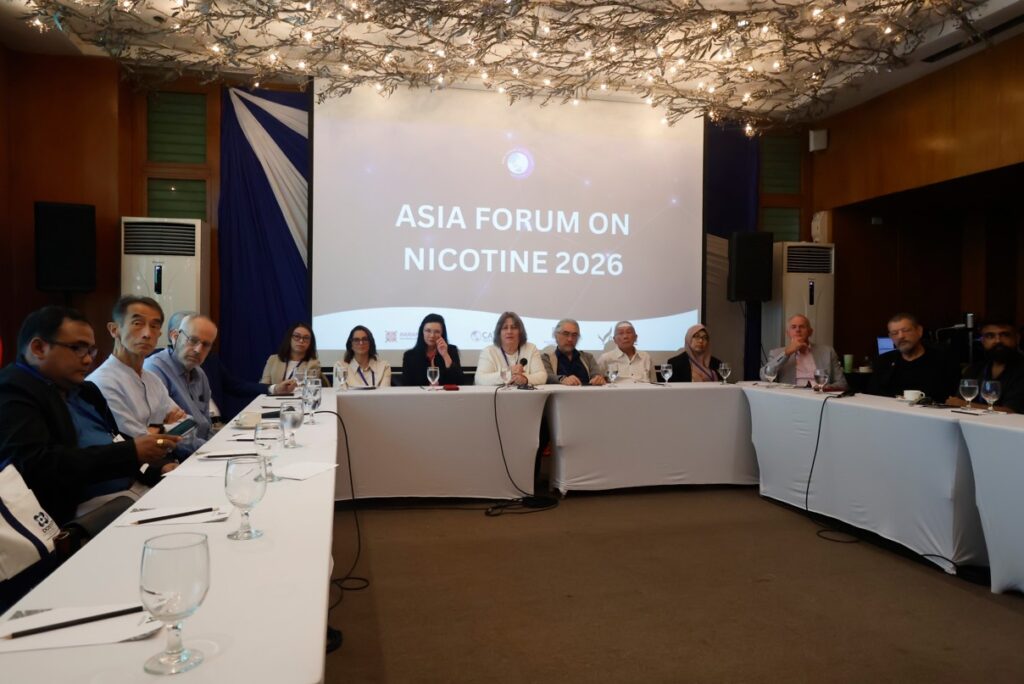
Moderated by Professor Sharifa Ezat Wan Puteh, the panel featured Professor Tikki Pangestu, Dr. Lorenzo Mata, Clarisse Virgino Adriatico, and Ariel F. Nepomuceno. Discussions also contributed to the commitments and next steps outlined in the Asia Pacific Declaration.
The forum brought together 18 experts, including medical professionals, from 12 countries: Australia, India, Indonesia, Japan, Malaysia, New Zealand, Nigeria, Pakistan, the Philippines, South Korea, Thailand, and the UK. Through panel discussions and sessions, speakers aimed to bring Asia Pacific’s data, case studies, and lived consumer experiences into the global THR policy debate.
Extending the discussion beyond the region, Tikki Pangestu, visiting professor at the Yong Loo Lin School of Medicine at the National University of Singapore, delivered the keynote address, “The State of THR in Asia-Pacific, Middle East, and Africa.” He gave an overview of the evolving nicotine and tobacco policy landscape across Asia-Pacific, Middle East, and Africa (APMEA), noting the contrast between countries adopting evidence-based regulation and those pursuing prohibitionist measures.
Pangestu later joined Nancy Loucas, CAPHRA Executive Coordinator, in the closing session where the Declaration was formally presented as the culmination of the day’s discussions. Bringing together the scientific, clinical, and advocacy insights shared throughout the programme, the Declaration is intended as a practical advocacy tool that participants can carry back to their local and national contexts and submit to WHO regional offices ahead of COP12, the 12th session of the Conference of the Parties to the WHO Framework Convention on Tobacco Control (FCTC).
“Asia has millions of adult smokers, but most of the region bans the products that could help them quit,” said Loucas. “At AFN 2026, we’re asking what the evidence actually says, and why so many governments refuse to listen.”
Following its inaugural virtual forum in 2025, AFN marked a milestone this year with its first-ever hybrid event, expanding its physical footprint in the region. The two-day forum, running from October 16 to 17, combined a 60-attendee in-person gathering at Astoria Hotel with a free live simulcast on the CAPHRA YouTube channel, opening the conversation on THR to a wider audience.
More details about AFN 2026, including speakers’ profiles and topics, can be found at https://afn.asia/.