
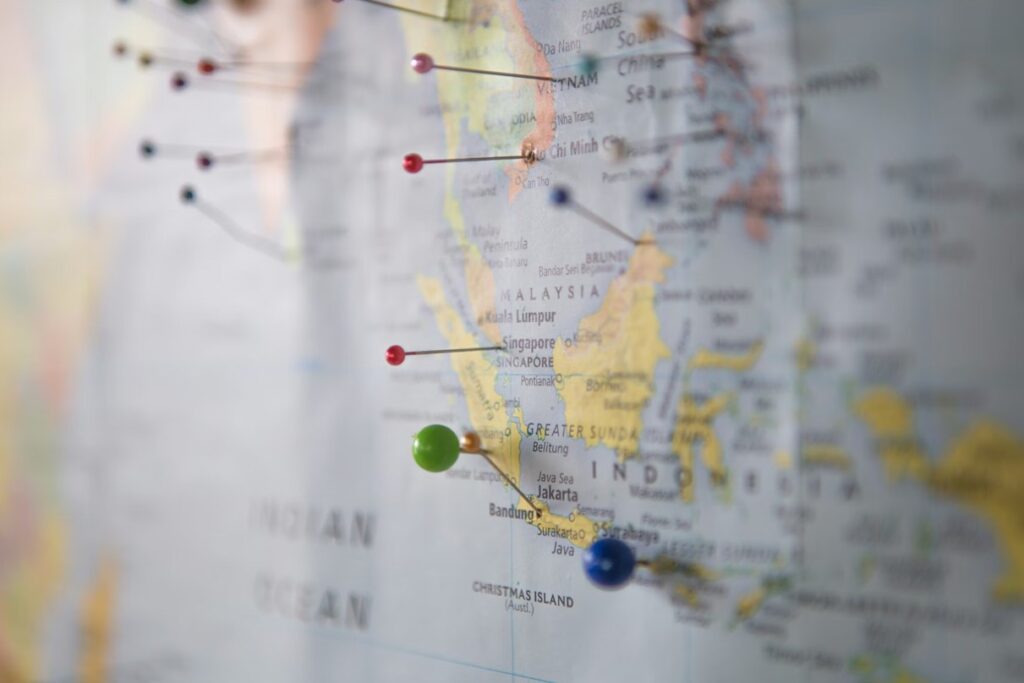
As the ASEAN region moves toward becoming the world’s fourth-largest economy by 2030, the competition for market share among startups, SMEs, and multinational corporations (MNCs) has reached a fever pitch.
In this high-stakes environment, many businesses mistake online noise for influence. They pour millions into performance marketing and digital ads…only to find their brand replaced and forgotten in a span of a year. This is where PR steps in.
In Southeast Asia, PR is not just a “nice-to-have” luxury for elite businesses. It’s the strategic backbone of sustainable growth. Let’s talk about it.
1. Navigating the “High-Context” Cultures of ASEAN
Unlike Western markets, which are often “low-context” (where communication is literal and direct), Southeast Asia is predominantly “high-context.”, where communication is heavily carried by implicit, non-verbal cues, tone, etc. Whether in the Philippines, Indonesia, or Thailand, business is built on relationships and nuance.
PR professionals in the region act as cultural translators. They understand that a message that works in Singapore—a global financial hub—might fall flat or even cause offense in the more conservative, community-centric markets of the Philippines.
PR ensures that a brand doesn’t just speak to the region but connects with its local values. So for your brand, look into localization. For instance, it is best to work with a PR agency in the Philippines to tap into the attitudes of both the media and consumers of that country if you plan to launch a product there.
2. Trust as the Primary Currency in an Era of Disinformation
Southeast Asia has some of the highest internet and social media penetration rates globally. The Philippines, in particular, has been recognized as one of the most active nations in the online space. However, this digital connectivity has a dark side: the rampant spread of fake news and disinformation campaigns.
A study published in the Frontiers in Communication (2024) found that the ASEAN region is vulnerable to fake news and disinformation, with the researchers noting that
When consumers are skeptical of everything they see on their feeds, an advertisement holds little weight. PR builds earned media, or mentions in reputable news outlets like The Straits Times, Nikkei Asia, or Rappler. When a third-party journalist or a respected industry analyst vouches for your brand, it provides a “seal of approval” that no paid ad can replicate.
3. The Power of “Hyper-Localization”
ASEAN is not a monolith. It is a collection of 10 diverse nations with different languages, religions, and regulatory frameworks. A business cannot “conquer Southeast Asia” with a single headquarters in Singapore.
PR is the tool for hyper-localization. It helps brands navigate:
- Language Barriers: Crafting stories in Bahasa Indonesia, Thai, Vietnamese, and Tagalog.
- Local Sensitivities: Respecting religious holidays like Ramadan or Songkran.
- Regional Pride: Highlighting how a brand contributes to the local economy (e.g., job creation in regional provinces).
4. Attracting Investment in a Competitive Startup Ecosystem
Despite a “funding winter” in recent years, Southeast Asia remains a darling for Venture Capital (VC). However, VCs in 2026 are looking for more than just “burn rates” and “user growth”; they’re looking for longevity and reputational health.
A startup that has a consistent PR presence. Sharing its vision, founder’s journey, and milestones in tech publications like Tech in Asia or e27 is perceived as more stable and professional. PR signals to investors that the company is serious about its brand equity and is capable of managing its public image.
5. Crisis Management in the Age of “Viral” Outrage
In Southeast Asia, social media “call-out culture” is incredibly potent. A single customer complaint about a food delivery service in Manila or a banking glitch in Bangkok can trend nationally within hours.
Without a PR team, a business is defenseless. PR provides the Crisis Communication Framework. It allows companies to:
- Monitor sentiment in real-time.
- Issue authentic, localized apologies.
- Correct misinformation before it becomes “fact” in the public eye.
6. Talent Acquisition and “Employer Branding”
The “war for talent” is real in ASEAN. As tech giants and local unicorns compete for the best engineers and creatives, salary is no longer the only factor. Gen Z workers in Jakarta and Kuala Lumpur want to work for companies with a purpose.
PR helps define that purpose. Through internal communications and external “employer branding” campaigns, PR tells the story of the company culture. It shows potential hires that the business isn’t just a place to work, but a place to make an impact on the region.
7. Government Relations and Regulatory Advocacy
In many ASEAN countries, the line between business and government is thin. Regulations on FinTech, E-commerce, and Sustainability (ESG) are constantly shifting. PR often overlaps with Public Affairs, helping businesses communicate their value to policymakers. By positioning themselves as “thought leaders” through PR, businesses can have a seat at the table when new industry regulations are being discussed.
8. Bridging the Gap: From Local Business to Regional Giant
For a local brand in Vietnam looking to expand into the Philippines, the biggest hurdle is lack of brand awareness. PR facilitates this cross-border expansion. By utilizing regional PR networks, a brand can build “pre-launch” buzz in a new market, ensuring that they don’t enter as a stranger, but as an anticipated newcomer.
9. SEO and the Digital Ecosystem
Modern PR is inherently digital. When a PR team secures a feature on a high-authority news site, it generates high-quality backlinks. In the eyes of Google’s algorithms, these backlinks from reputable ASEAN news sources are gold. This improves the brand’s Search Engine Optimization (SEO), making it easier for customers to find them organically.
10. Supporting ESG and Sustainability Goals
Sustainability is the new frontier for ASEAN businesses. Governments are increasingly mandating ESG (Environmental, Social, and Governance) reporting. However, doing good is only half the battle; the other half is communicating it. PR ensures that a company’s sustainability efforts are not seen as “greenwashing” but as a genuine commitment to the region’s future.
Essential to Strategize
In Southeast Asia, your brand is what people say about you when you are not in the room. In a region defined by rapid change and deep-rooted traditions, Public Relations is the bridge between the two. It turns a transaction into a relationship and a product into a household name.
For any business looking to survive and thrive in the ASEAN era, PR is no longer an optional expense—it is a strategic imperative.