
Have you ever looked at your dog and wished they could simply tell you what’s on their mind? The truth is—they already do. Dogs may not use words, but they constantly communicate through movement, posture, sound, and subtle expressions. Once you learn to read these signals, your bond becomes stronger and more meaningful.
Reading Your Dog’s Body Language
Dogs are incredibly expressive. Every part of their body plays a role in communication.
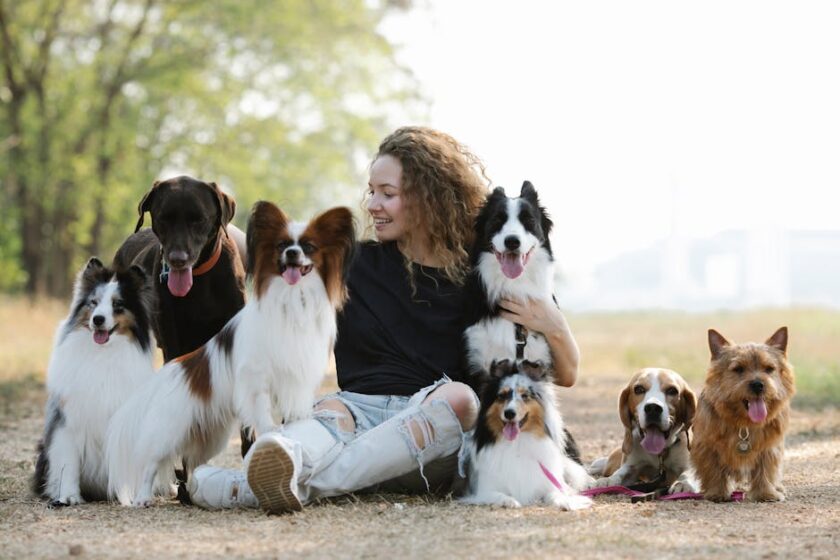
Facial Expressions
A dog’s forehead can tighten when they’re confused or focused, and smooth out when they’re calm. Their eyes are especially telling. Soft, bright eyes usually signal friendliness and comfort, while wide eyes with visible whites may indicate fear or anxiety. Dilated pupils often mean heightened emotion—whether excitement or stress.
Mouth and Teeth
Some dogs pull back their lips in what looks like a smile. Interestingly, this “grin” is typically reserved for humans and rarely shown to other dogs. It often means they’re happy or inviting interaction. On the other hand, tension around the mouth or tightly closed lips can suggest discomfort.
Ears
Ears perked up usually show alertness or curiosity. Relaxed ears suggest a calm state, while ears pinned back may indicate submission, nervousness, or uncertainty.
Tail Movement
Tail wagging isn’t just about happiness. Research published in Current Biology found that the direction of a wag can reflect emotion. Wagging more to the right side is generally associated with positive feelings, while movement more to the left may signal unease or negative emotions. The speed and height of the wag also matter—a stiff, high wag can mean alertness, while a loose, sweeping wag often shows joy.
How Dogs Communicate With Other Dogs
Dogs share a kind of universal social language. According to biologist Marc Bekoff, author of Animal Passions and Beastly Virtues: Reflections on Redecorating Nature, canine communication is rich, nuanced, and deeply social.
Play Bow
When a dog lowers their front half while keeping their rear up, they’re saying, “Let’s play!” It can also serve as a quick apology during rough play—like saying, “I didn’t mean that. We’re still friends.”
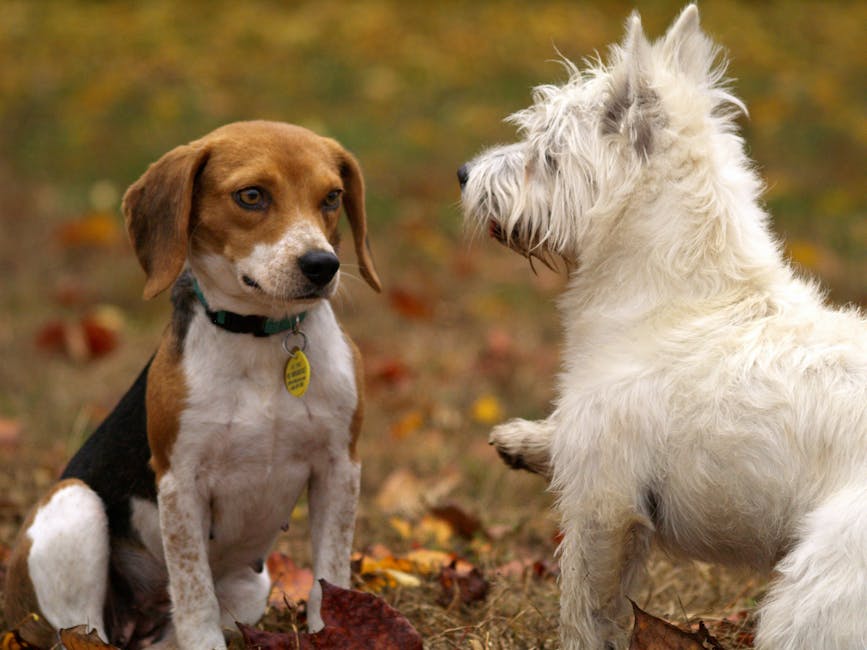
Paw Swipes and Slaps
This playful gesture shows trust. It briefly puts the dog off balance, signaling that they feel safe with their playmate.
Rearing Up
When dogs stand on their hind legs facing each other, it may look like dancing. In friendly contexts, it’s often a sign of excitement or affection.
Play Biting
Gentle nipping during play is normal. Dogs instinctively avoid sensitive areas, showing remarkable control and awareness.
What About Barking?
Unlike body language, barking can have multiple meanings. A bark might signal excitement, warning, boredom, or fear. The pitch, frequency, and intensity usually reflect how strongly the dog feels about something. High-pitched rapid barks often mean excitement, while low, slow barks can indicate caution or concern.
Interestingly, technology may sometimes interpret barks more accurately than people. In a Hungarian study analyzing thousands of barks from sheepdogs, computer software slightly outperformed humans in identifying what the dogs were expressing. While the difference was small, it highlights just how complex canine vocal communication can be.
Building Better Understanding
We often train dogs to understand our commands—but communication goes both ways. Dogs communicate their needs constantly: when they’re hungry, anxious, playful, or simply craving affection.
By observing posture, facial cues, tail movement, and vocal tone, we begin to understand the messages they send every day. True connection doesn’t require words. It requires attention.
When we slow down and truly watch our pets, we realize they’ve been talking to us all along—we just needed to learn their language.